

Insurance renewals and new policies will often see riders often complain about price increases on their premiums and wonder why do they have to pay so much? We will try to explain both sides of the coin, so you can better understand the issues, prepare and enjoy less risk with cheaper premiums – forewarned, is forearmed as they say!
UNDERSTANDING THE COSTS
The general advice is to shop around – insurance is a risk industry. They take a fee from you on the promise you will do your part to keep it safe theft or damage, keep yourself away from accidents and they will cover all your losses if it all goes wrong. That is essentially the agreement or contract you agree to; they take all the risk and hope that you won’t claim and your fee will all be profit. Pizza Theory it is known as in business – profit that relies on high volume to make any money from it – just like pizza! For the insurers, they ‘roll the dice’ each year on every policy. Now you may notice, after you have been with the same insurer for years, they suddenly hike the price – this is why…Risk. If you haven’t claim in a number of years, average risk figures would suggest you may due to claim this coming policy, hence they will pass you on to another insurer. It isn’t personal – it’s passing on higher risks to keep premiums cheaper for their customers. The same reason you enjoyed lower premiums the last few years.
Motorcycle theft cost the industry billions a year. Mostly aggravated by high theft and high cost of repair. As more Motorcycle dealers close due to viability with fewer riders, an industry shortage of engineers, costs involved with property, thefts and insurance – the cost of repairs increases to cover it. Theft being as rife as it is in the UK, makes this a recipe for disaster for insurers. Not only are dealers going out of business – but so are brokers (third party agents or resellers) and even in a number of cases in recent years; the underwriters that you hold your policy with, closing their doors or withdrawing from the higher risk markets. This is making to pool of underwriters willing to insure motorcycles down to just two or three in the country. With losses of around 13bn a year in payouts, you can see why the odds aren’t actually in their favour. Your Policy is made up of risk elements: The bike, your history, your location, your security, your use of it, your job and so on all play a role.
INSURANCE IS A CONTRACT: You promise to keep your vehicle safe from theft and damage by locking when you are not with it and/or garaging when not in use. You ride safely as you can, and offer your riding history as proof (No Claims Bonus) or previous year without claims.
In return, your insurer will cover any of your losses, should something happen outside of this. It is only fair, that BOTH keep to those agreements.
If you fail to lock, ride dangerously or fail to keep to the deal you made – then all bets are off and your contract is void!
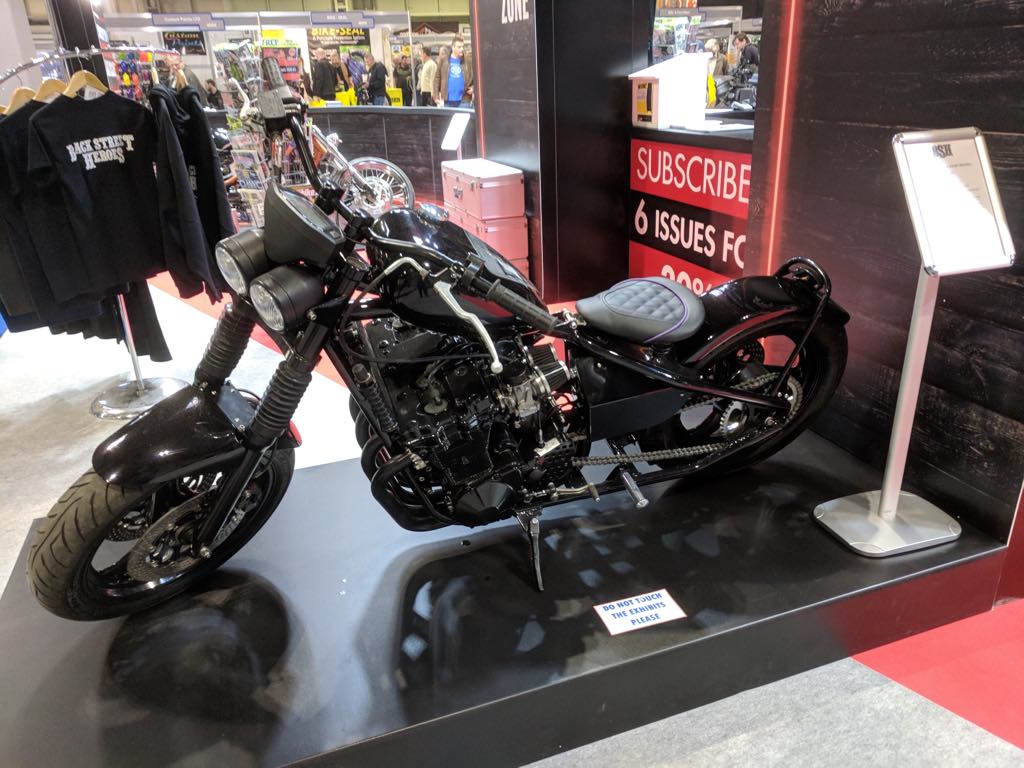
Thieves will happily breach locks and have the tools to do so, but there is only so much time they are willing to waste on one bike. So locks in numbers is the best solution. The greatest tool they have, is not the cordless grinder – but the owner! If that owner for reasons of convenience or apathy has only bothered with a feeble disc lock or even just the factory steering lock which are easily and quickly overcome; the thief is having a Good Day! It is low-hanging fruit, and easy to steal with minimum effort – he’d be daft to let it pass by. In some cases, riders are so confident that even steering locks are not applied – and then they wonder why it is stolen and their premiums so high! At least make a bit of an effort – you agreed the deal with the insurer, nobody else.
AFTER THE THEFT
DUE DILLIGENCE
So, you report your bike stolen. You start your claim with your insurer. Your insurer won’t try to ‘wriggle out’ of paying for your bike per se; but they will ensure that you kept YOUR part of the bargain. Which is fair enough. If you had paid a mechanic to service your bike and he/she didn’t – you’d feel annoyed they didn’t do as promised, right? So the insurer will ensure that you did what you promised:
Kept it in a locked, Brick Garage/Steel Security Shed with the locks you claimed you had fitted to the ground anchor you claimed you had and with the alarm or tracker you claimed you had activated. You did all you could to prevent the theft. They will stick to their part of the deal and pay the TRADE PRICE (What is would sell for at a Dealer Auction) for the bike, plus any extras such as agreed.
However, if you hadn’t locked it – all bets are off! You are on your own! You didn’t keep your part of the deal, you breached the contract – then it is void from inception, just as if you never had it insured! ALWAYS LOCK YOUR BIKE – EVEN IF ONLY LEAVING A FEW MINUTES OR SECONDS!
THE CLAIM
So you have made a claim, the insurers will often write the bike off (declare beyond economical repair) as aforementioned the costs of repair are extremely high. They have agreed to pay out for the bike as it is too expensive, and they will cover your losses in buying a replacement. You can start looking at a new one.
What about your bike that was stolen? In short – it is no longer your problem! It doesn’t belong to you anymore, it belongs to the insurer – or more correctly; The underwriter that guaranteed or ‘underwrote’ the policy. Caveat if you DIDN’T get a payout, then the bike is always yours and if found you can claim it. But ONLY if you did not make a claim, or receive any compensation for your loss. Insurers will take your V5C when they pay out, along with any bike documents.
The Underwriter or Insurer to make it sound less complicated, will then stand to lose a great deal of money. The bike is recovered at a cost, it’s value is NOT what they paid you. If will induce a recovery charge of around £300, then storage of £12 a day on top. That is until the Salvage Auction company come to collect. It will be categorised at auction CAT A, B, S, or N
CAT A: Cannot return to road or used for parts, must be scrapped.
CAT B: Cannot return to road, but parts can be salvaged and reused.
CAT S: Structural damage, but can be professionally repaired and returned to the road
CAT N: Non- structural, cosmetic or electrical damage and is roadworthy after repairs.
There will be various companies or entities interested in buying these bikes – Scrapyards may bid on Cat A&B vehicles for their weight in scrap, or for parts in the case of Cat B. The value of these is often only £20-50. Cat S & N will attract repairers and dealers – or even yourself should you wish to buy it off the insurer and sacrifice some/all of your claim – that will repair the vehicle and bring it back to the road, selling as a repaired bike at a reduced price. These can be bought from as little as £100, to a few thousand, so the dealers can make a tidy profit. Yes, that 125cc your insurer paid you £2500 for will sell for £100 or less. AFTER they have paid You, the Recovery & Storage, The Auction fees you start to see what we mean when we say that they take a serious hit! This is why PROFIT comes from Volume, the more CAREFUL riders that secure their bikes, and keep safe from theft or accident – the cheaper policies become.
Hopefully, you have lasted long enough to have worked your way through and have a better understanding of why insurance is what it is, and can better understand the importance of keeping to your end of the deal in making your bike the lowest risk possible. In the end, these losses are passed onto everyone in higher premiums – so if you want lower premiums, you need to ‘do your bit’ and abide by your terms. You can see in our Asgard Article, about security sheds and the discounts members can enjoy, which may help with many situations and require no planning permission and accepted the same as a brick built structure by insurers.
